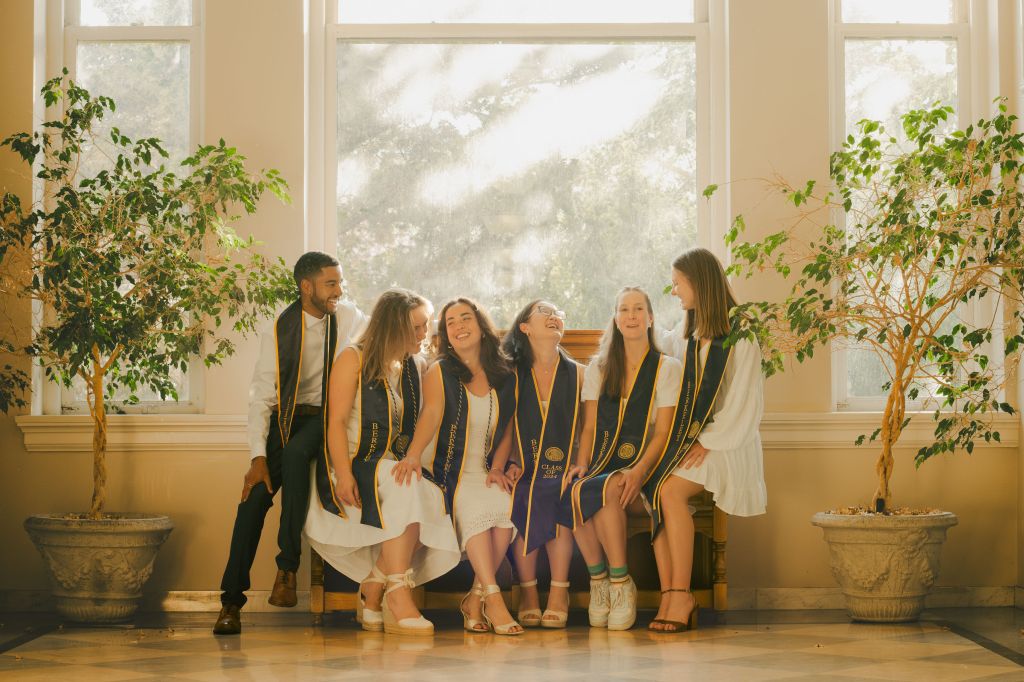
Photo by Elena Hsieh
Your 7:00 am alarm blares and you are dragged back to reality kicking and screaming. Still feeling the events of the night before, you pull yourself out of bed and head to the bathroom. As always the 30 minutes in which you swore you would get dressed and ready is already halfway through and you’ve decided to skip breakfast yet another morning.
You grab your backpack and run out the door. The closer you get to campus the more people you see likely in the same boat. You make it to the lecture hall with minutes to spare, sit down in your unassigned “assigned” seat, and the class begins.
“I can’t wait for this all to be over and for my real life to begin.”
A year has passed and though you counted down the days till graduation, you can’t help but feel a part of you longing for the past. Sure you no longer have the stress of exams and papers, but you also no longer run into your friends around campus or dress up specifically for that one class your crush was in (they still don’t know who you are).
Recently I have been swarmed with feelings of nostalgia. These have arisen through conversations with friends about the “good ole’ times”, the often horribly timed “one-year-ago this day” Instagram and Snapchat reels, and the reality of adjusting to a new lifestyle.
When I sat down to write this article, I originally expected to discuss nostalgia and end with ways to cope or mitigate the feeling. However, the more I researched the more voices I encountered arguing that feeling nostalgia is not only a natural and healthy experience but a beneficial one.
After graduation, we often find ourselves thrown into a completely new environment, whether that be living back at home or moving into a new city to start a new job. It can be easy to experience a longing for the way things once were, regardless of how we felt about them in that moment.
Although often viewed as a bittersweet and negative feeling, what if this was our greatest ally in this confusing and hazy period in our lives?
What is Nostalgia?
Before we dive any deeper, let’s first define nostalgia. Psychologist Mark Travers defines nostalgia as a “complex emotion characterized by a longing for the past,” in his article “A Psychologist Explains the ‘New-Age Nostalgia’ Trend.” (Forbes). He describes how these feelings can be difficult for an individual to process in that bittersweet feelings of sadness and longing, while also fondness and joy can be at play.
The term originates from the dissertation of Johannes Hofer, a Swiss medical student, in which he describes the homesickness experienced by soldiers fighting away from home. The term nostalgia derives from the Greek word nostos meaning homecoming and algos meaning pain.” – (Inverse)
Several factors trigger nostalgia. The most common source of nostalgia stems from sensory factors. For example, coming into contact with a smell that reminds us of home or hearing a song that we associate with a particular time.
As graduates, this could be photos from a fun night out, decor from our first dorm room, or the songs we’ve now come to associate with our longest-lasting situationship (for better or for worse.)
Even though we swore at the moment that we would never miss the early mornings and late nights studying, why do we find ourselves reminiscing on these times?
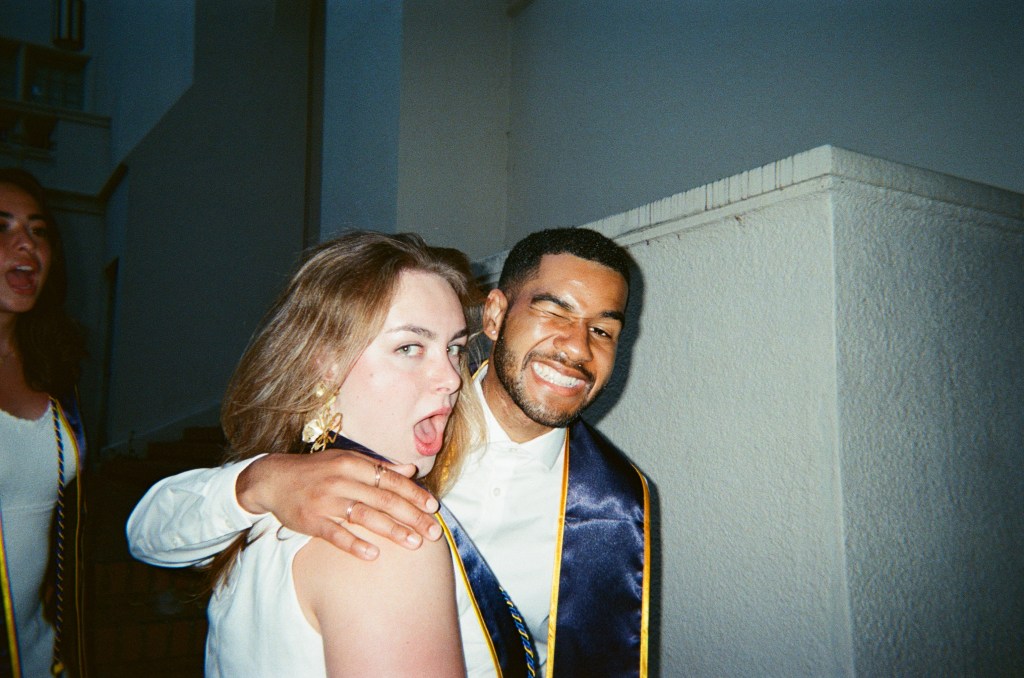
Post Grad Nostalgia
While feelings of nostalgia increase as one ages, research published in the Perceptual and Motor Skills Journal found that nostalgia peaks around the time an individual is in college or has recently graduated.
I’m sure many obvious reasons immediately come to mind. It is your first few years in true adulthood, and with college being the last thing we experience, it is easier to look back on. For many, it also was a time full of firsts.
First job, first serious relationship, first apartment. During our time at university, we experience many first-time experiences that when we reflect later on in life, we are inevitably drawn back to this time in our lives.
My first non-university related job was at a local college bar and while there were many nights I fought the urge to walk out and never come back. Only a few months later, I still find myself missing my coworkers, our regular customers, and the slower days when I wasn’t fighting for my life or getting yelled at by the owner.
Because so many of our first experiences were in university, we often will misattribute these feelings of nostalgia as longing for the “best years of our life,” when we have so much ahead of us, but more on this later.
I was surprised to find that one reason why individuals will experience increased feelings of nostalgia post-grad around a specific campus or city specifically, is that college towns traditionally are representations of model cities.
Washington Post, Post Grad Writer Renee Yaseen writes that college cities are “eminently walkable, with lots of options for social, artistic, or cultural events. Beyond the sense of communal identity, college anchors social life in a way that doesn’t exist after graduation,” in her opinion piece “Why college campuses remain a second home for many well into adulthood.” (Washington Post).
I was shocked by how simple, yet true a revelation this was. While it was common to run into friends or acquaintances at the grocery store or local park, I now find myself back in an environment where I need a car to get anywhere I need to go. My closest friend from university is now a two-hour drive away, which is better than most, but a significant increase compared to the ten-minute walk it used to be.
Many graduates as a result have opted to find jobs in college towns, with some even returning to work at the university where they received their degree. While there are many things we can do to avoid the loss of a past life and a desire to return to the past, should we?

Benefits of Nostalgia
As mentioned earlier, nostalgia can be a complex feeling to put a pulse on. On one hand, we are sad about the life we once had and have an intense longing to return to the way things were. On the other hand, we experience feelings of gratefulness and joy remembering the good times we shared with close friends and loved ones.
Authors Taylor A. FioRito and Clay Routledge discuss how nostalgia, despite its common association with the past, can be viewed as a “future-oriented experience” in an opinion article published in the Frontiers in Psychology Journal. (Frontiers).
As mentioned before, nostalgia is often triggered when we encounter a stimulus such as a certain taste, smell, or sound that reminds us of the past. However, in many cases, it is when we are dealing with negative feelings or emotions that we seek out these stimuli.
This could be visiting your hometown when feeling homesick at school or scrolling through pictures of you and your friends when feeling FOMO. This can lead us to falsely attribute a negative association with nostalgia when often it is the very thing getting us back on our feet.
In the same article, they discuss how “negative affective states such as sadness, loneliness, and meaninglessness trigger nostalgia, and nostalgia, in turn, enhances well-being, feelings of social connectedness, and perceptions of meaning in life.” (Frontiers).
This idea is further backed up by the areas of our brain that are activated when we experience feelings of nostalgia. Areas of the brain associated with memory aren’t the only areas activated, but the brain’s reward pathway also. (Inverse).
The most important takeaway from this and similar studies is that nostalgia is not something to be feared, but often is a clear picture of what we want for the future. Pay attention to the memories you find yourself commonly going back to.
Is it going to class daily, turning in assignments, and taking exams? If so, first good for you, but this could be a desire for a sense of structure, accomplishment, and achievement.
Do you keep scrolling pictures of nights out with friends or late-night study sessions? Maybe you are missing that feeling of community and the social aspect of university.
Let your feelings of nostalgia guide you towards what your goals for the future should be and then start working towards them. FioRito and Routledge discuss how nostalgia “increases the importance people assign to relationship goals, intentions to pursue the goal of connecting with friends, and the desire to resolve a relationship problem.” (Frontiers).
As cliche as it is, listen to your heart and what your longing for the past tells you about what you might need in the present and future moment.
My favorite quote from the article is below.
“Specifically people can reference their nostalgic past to remind themselves what it felt to be young and loved, which, in turn, promotes future-oriented behavior, such as physically caring for oneself, connecting with others, and pursuing goals.” (Frontiers).
Life after graduating can be hard. Especially when it comes to the shift to adulthood and losing a lot of the relationships and friendships that we now realize we relied on every day. Looking back at the good times reminds us that not only were we loved and experienced moments of joy in the past, but that there is so much we have yet to experience in the future.
The nights running through the streets with my friends at 2 am laughing till I cried. Bumping into an old friend I hadn’t seen in months and the subsequent warm embrace at the local bar. The bags of food and notes telling me to “get well or else” when sick. And all the unseen that lies ahead.
This is what I live for.
Thank you for making it this far! I’d love to hear your thoughts on the topic so feel free to comment below or email me at funemployedera@gmail.com. If you are interested, I also host InMyFunemployedEra, a podcast where I discuss similar topics. Thanks again for reading and until next time. Take Care!
References
FioRito, T. A., & Routledge, C. (2020, May 4). Is nostalgia a past or future-oriented experience? affective, behavioral, social cognitive, and neuroscientific evidence. Frontiers. https://www.frontiersin.org/journals/psychology/articles/10.3389/fpsyg.2020.01133/full
Macbride, K. (2024, February 20). The power of nostalgia: What science tells us about longing for the past. Inverse. https://www.inverse.com/mind-body/the-science-of-nostalgia
Travers, M. (2024, February 20). A psychologist explains the “new-age nostalgia” trend. Forbes. https://www.forbes.com/sites/traversmark/2024/02/16/a-psychologist-explains-the-new-age-nostalgia-trend/
Yaseen, R. (2023, July 6). Opinion | college is over. but not everybody is ready to leave campus. The Washington Post. https://www.washingtonpost.com/opinions/2023/07/06/post-grad-college-life-campus-nostalgia/





 Jalen Gooch
Leave a comment