
“I don’t have the motivation to even attempt a job. I don’t even have the motivation to do anything productive anymore.” – u/forwhat-itsworth.
This quote receiving hundreds of upvotes, stems from the LifeAfterSchool Reddit community on a post titled “Severe Burnout After Graduation”. Many comments echoed feelings of hopelessness, lack of motivation, and a loss of future aspirations.
While these are all common symptoms of burnout, both in academic and common-use settings, the term is typically associated with stress in the workplace. The World Health Organization defines burnout as “unmanaged chronic workplace stress” that can cause an individual to feel exhausted, cynic, or worthless at their job.” (Verywell Health)
Within this definition exists a key relationship between burnout and one’s workplace environment, but what if you are experiencing the symptoms of burnout while unemployed?
After graduating college, several mental health challenges can arise ranging from post-grad depression, anxiety, existential crises, and more. With many conditions having overlapping symptoms it can be difficult to pinpoint the root cause for what you might be feeling.
There are a few key differences between burnout and these more chronic mental health issues. Burnout is more likely to stem from external stressors and require changes in one’s workload and environment, while anxiety and depression are more chronic conditions that encompass all aspects of an individual’s life and may require support from a mental health professional. (Spiritual Path Life Coaching)
Today, I want to discuss what I believe are the three most common types of burnout that typically arise post-grad: Academic, Job Search, and Relationship.
Academic Burnout
What is Academic Burnout?
If you have just graduated from university, chances are you likely experienced academic burnout at least once before graduating. After a particularly demanding midterm or exam season, you can find yourself struggling to show up to class or get your schoolwork done.
It can hit especially hard closer to graduation in that you just want to check out, receive your diploma, and move on with the rest of your life. These feelings, commonly referred to as Senioritis, are a form of academic burnout.
However, what happens when after you graduate these feelings linger? You’re no longer in school with the stress of assignments, deadlines, and exams, yet you can’t find the motivation to do anything and feel exhausted all the time.
The activities you once loved to do no longer bring you the same amount of joy and it can take tremendous energy to complete simple tasks.
I can remember always experiencing these feelings when I came home from breaks during my time at university. Just a week prior I was unstoppable, attending 4 lectures, writing 2 papers, and completing multiple assignments all in a single day (allegedly).
The second I walked into the door of my childhood home, suddenly all that energy had disappeared. A task as simple as picking up something at the store or going to the dentist would take me out for the entire day.
In the same Reddit post, user DerpKrystal describes how “in school there is a clear goal,” being assignments or completing a course, but after graduating “there is no clear way to measure [your] progress,” which can lead to a lack of motivation because you are confused where to start.
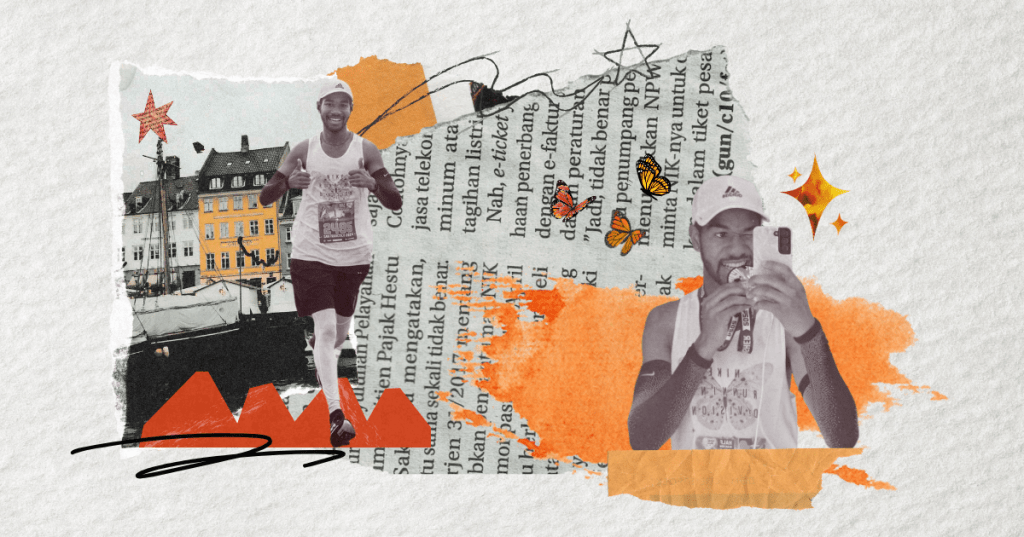
I’ve briefly touched on this in a few posts in the past, but after I graduated one of the hobbies I picked up was running. I loved being able to have something to do in the morning and the feeling of accomplishment when I completed a run.
I distinctly remember seeing a TikTok that said everyone you know is training for a marathon is satisfying the need for achievement they no longer are getting in school.
For the first time in our lives, we have no clear goals to aspire for and aren’t receiving constant feedback in the form of grades or completing assignments. It can be easy to fall into the trap that we aren’t doing anything useful with our lives or our time, simply because we are no longer seeing immediate results.
How to Cope with Academic Burnout
Similar to dealing with traditional workplace burnout, prioritizing rest and practicing self-care can help relieve negative symptoms. However, from personal experience, whenever I take the time to rot in bed or sleep in later than I usually do, I end up feeling worse about myself and beat myself up for being “lazy”.
It’s important to realize that the type of care we might need at any given moment can differ as we go through different stages in life. While you might have once always been able to wind down watching an episode of Netflix or journaling, going for a walk or getting coffee with a friend might be a more effective alternative for what you are dealing with now.
Check out this article on the Five Different Types of Self-Care, if you need help figuring out where to start.
Lastly, limiting your screen time and changing your environment can always be ways to reduce feelings of burnout. As discussed in my post about Post-Grad FOMO, increased screen time often leads to feelings of comparison and a decrease in self-confidence, while changing your environment can free you from a mundane cycle.
Job Search Burnout

What is Job Search Burnout
While burnout is traditionally associated with those who are currently working a full or part-time job, symptoms can arise just as easily in individuals who are looking for a job.
In an article discussing this unique type of burnout, Career Coach Michelle Perchuk describes how “the process of job hunting is often a time of uncertainty, frustration, and disappointment” and that these feelings can pile up over time. (Forbes)
As discussed in my blog about the Death of the Entry-Level Job, job applications have only become increasingly more demanding of an applicant’s time and effort, with many experts stating that searching for a full-time job has become a full-time job in itself.
When you spend hours crafting resumes, writing cover letters, completing screening exams and interviews, all to never hear back from the job or recruiter, you can quickly lose the motivation to apply.
You know you should keep applying to jobs until you land the right one, but you also start to question if you are the reason, not the job market, that’s keeping you from getting a job. Faced with numerous rejections, you can no longer see the point in spending your time and effort applying, and gradually start to burn out.
Coping with Job Search Burnout
In the same Forbes article, Perchuk cites a few of the most common sources of burnout when applying to a job.
Today you will see all over social media or hear from your friends that to get their job or internship, they had to submit over 100 applications until they found the right fit.
Perchuk argues that this can lead to feelings of burnout in that instead of applying for jobs that an individual is interested in, or knows they will enjoy, they will apply to all jobs out of desperation.
Applying for jobs you aren’t qualified for or interested in can lead to a series of rejections that will leave you feeling more disheartened than if you applied to fewer jobs. If you do get hired for the position, you now find yourself working a job you don’t enjoy.
Taking the time to research and be honest with yourself about the roles you are applying to is a better way to spend your energy than applying to hundreds of roles you know you wouldn’t enjoy.
Another piece of advice is to consider roles at companies where you know someone. Networking is one of the most common ways people find their current job, and knowing someone working in the same or a similar position you are applying for can give you more insight into the specifics of the role beyond the job description.
Friendship Burnout
What is Friendship Burnout?
I had always been the type of person to respond to a text message or DM immediately. While I never openly held it against my friends, I would always feel a bit annoyed when I never received a quick response from a friend, or worse no response at all. I equated a lack of response as not caring about the friendship and took things personally.
Flash forward to the spring of my sophomore year of college where I was not only struggling to keep up with the heaviest course load I had taken but was starting to doubt if I was pursuing the correct college major.
During this period, I found it hard to respond to the messages my friends sent me. I would make plans with friends only to regret having made them the day of or an hour before. I was quickly faced with my own hypocrisy and forced to realize that friendship burnout is a real thing.
Friendship burnout can manifest in the above symptoms as well as getting a lower level of joy or satisfaction out of a relationship, feeling there is an unequal investment in the relationship, or being annoyed with things that typically wouldn’t bother you in the past. (BestLife)
While it is easy to interpret this as a sense that the friendship is dying, several causes can lead to friendship burnout. The most common post-grad is that maintaining friendships takes significantly more effort than it did when you were in school.
You most likely are no longer living in the same area, so you have to juggle work schedules and time differences that previously did not exist. There no longer is the common goal of graduating from university, but everyone begins to branch off toward different careers and aspirations.
Coping with Friendship Burnout
One of the most important things you can do is set boundaries, for yourself and others.
If you cannot respond to texts or hang out with your friends as much as you used to, COMMUNICATE that with them. Distancing yourself or leaving your friends on read will only cause a greater gap in the relationship.
I have thought I lost many friendships because they no longer responded to my messages, or we didn’t talk as often as we used to, only to run into them in person and realize they were going through a difficult time. It’s never personal.
This is a difficult time for everyone, so be patient with yourself and have the same patience for others. As with the other types of burnout, taking the time to rest and practice self-care can help mitigate symptoms.
It is also important to realize that how your friendships look is going to change over time. The way my relationships with my closest friends look today is not the same as it was when we first met and will undoubtedly be different years in the future. It is only natural that our friendships grow and change as we as individuals do the same.
Conclusion
As mentioned earlier, post-grad is never an easy time for anyone and we can be faced with several mental health challenges. It can feel as if there is no end in sight, but I promise you, as long as you continue to show up every day, take care of yourself, and don’t give up things will work out.
Please comment below on your experiences dealing with burnout and what coping strategies have worked for you. I would love to hear it and create a space where we can all learn and grow from each other.
Until next time, cheers.
References
Bence, S. (2024, August 19). 12 signs of burnout: How to tell and what to do about it. Verywell Health. https://www.verywellhealth.com/signs-of-burnout-8683361
Christine. (2024, August 15). Are you burnt out or having an existential crisis? – spiral path life coaching. Spiral Path Life Coaching – Empowering Your Soul’s Journey to Purposeful Living. https://www.spiralpathlifecoaching.com/wellbeing/are-you-burnt-out-or-having-an-existential-crisis/
LaBianca, J. (2024, June 5). What is Friendship Burnout, and how can you overcome it?. Best Life. https://bestlifeonline.com/friendship-burnout/
Perchuk, M. (2024, August 13). Council Post: Little known secrets about burnout during a job search. Forbes. https://www.forbes.com/councils/forbescoachescouncil/2023/03/30/little-known-secrets-about-burnout-during-a-job-search/u/forwhat-itsworth. (2019, April 18).
R/lifeafterschool on reddit: Severe burnout after graduation. Reddit. https://www.reddit.com/r/LifeAfterSchool/comments/lyx4vk/severe_burnout_after_graduation/




 Jalen Gooch
Leave a comment